YOUR CART
IS EMPTY
IS EMPTY

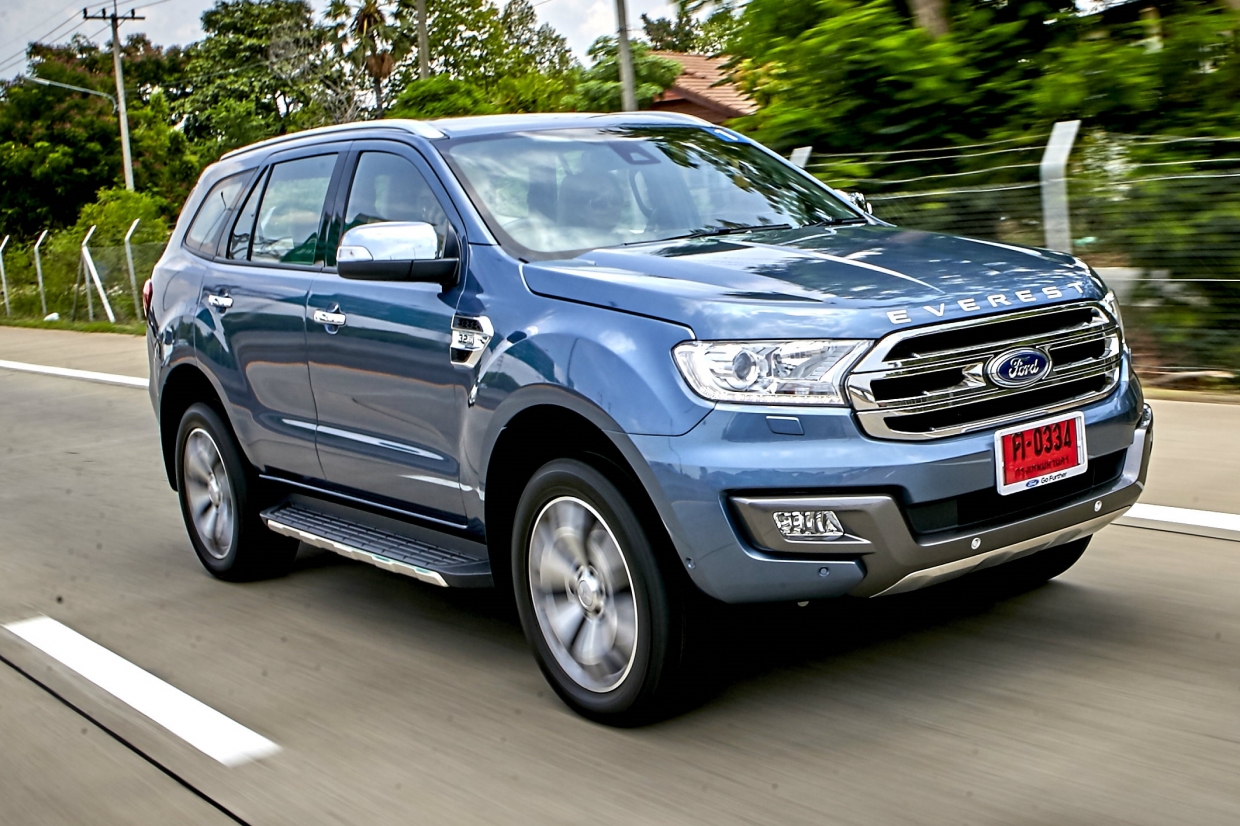
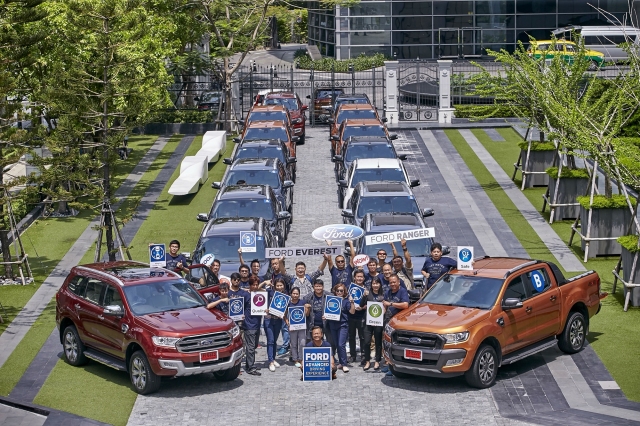
FORD is a car manufacturer that offers advanced innovations, installed in various car models, including the pickup truck RANGER and the SUV EVEREST. This time, our team joined a test drive trip with several safety features installed in the top models of both vehicles (see details of each model at www.ford.co.th )
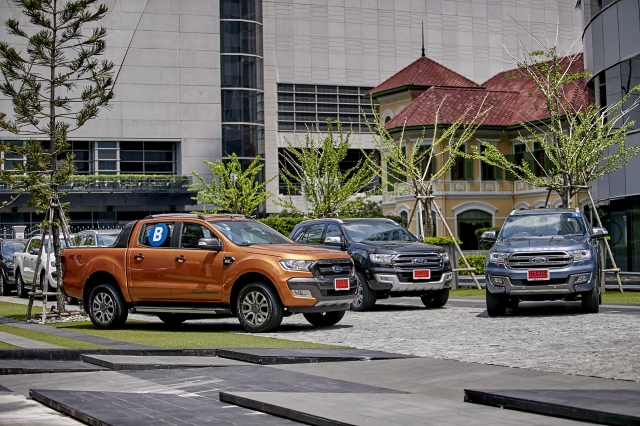
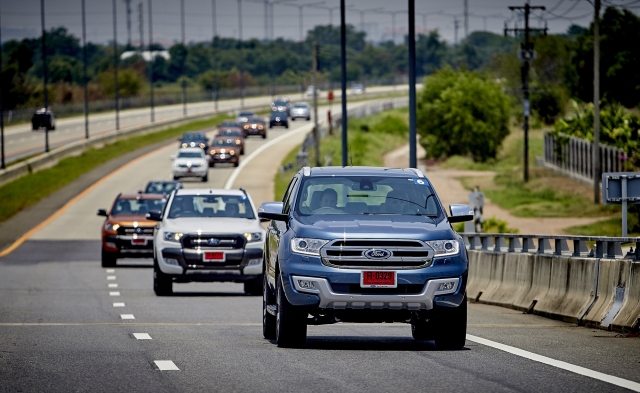
We started the journey with the RANGER pickup, but the following equipment is also installed in the EVEREST SUV: ADAPTIVE CRUISE CONTROL. This marks the first time a pickup truck has been equipped with this system. The driver can set the speed and the distance from the vehicle ahead (calculated as the time to reach the vehicle ahead) as desired. If the system detects that the vehicle ahead is driving slower than the set speed, the vehicle will automatically slow down to match the speed of the vehicle ahead, maintaining an appropriate distance. If the vehicle ahead changes lanes or we change lanes to overtake, the speed will automatically increase to our set value. Deceleration uses braking (brake lights still come on as usual, so the vehicle behind can see) and partial reduction of engine power. This differs from conventional cruise control systems that can only maintain a constant speed, but the driver must manually decelerate.
Caution : This system detects the distance from the vehicle ahead when it is fully in the lane. If a vehicle is straddling lanes (not fully in our lane), the system may not detect it. Also, the system may not work on curves.
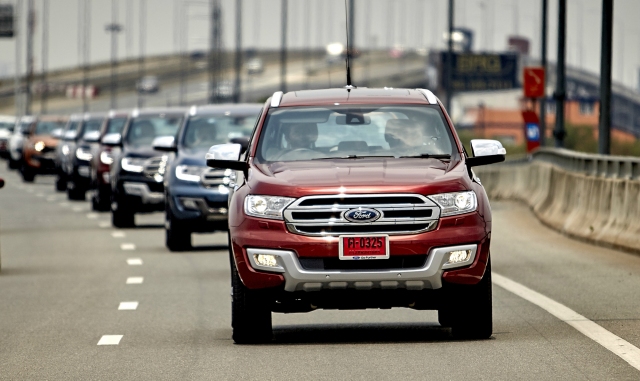
Next is the test of the LANE KEEPING SYSTEM. It uses infrared light to detect lane markings on the road, both left and right, and displays the results on the digital screen in the center of the instrument cluster. If the system detects that the vehicle is moving across a lane marking without the turn signal being activated, the system will subtly steer the steering wheel in the opposite direction to bring the vehicle back into the lane, while also sending vibrations as a warning to the driver.
Caution : Even with such assistance systems, the driver must hold the steering wheel at all times for safety and truly proper directional control (the system can detect whether the driver is holding the steering wheel). Furthermore, if lane markings are faint or it's raining heavily, the system may not function at times.
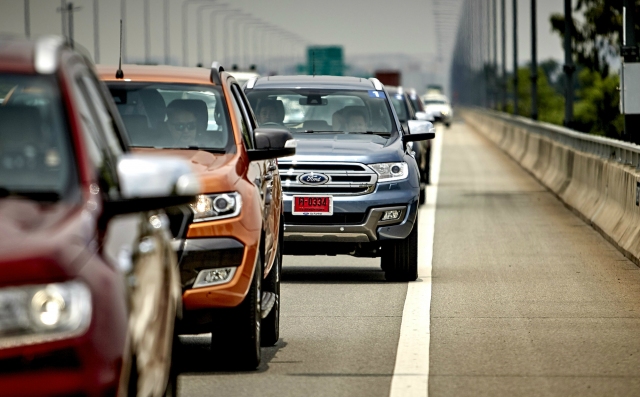
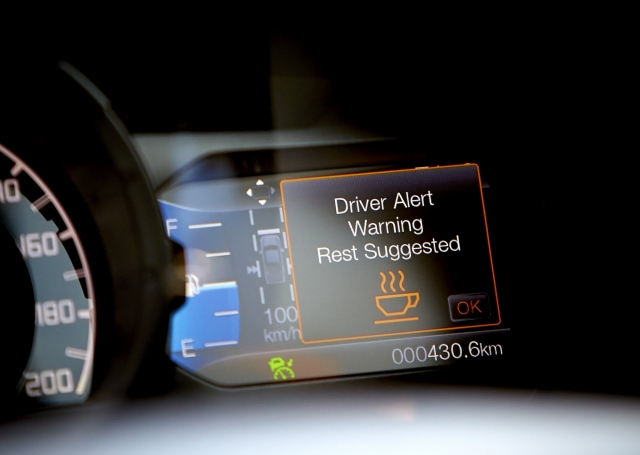
Another continuously operating system is the DRIVER ALERT SYSTEM. When the system detects that the vehicle frequently crosses lane markings, it will infer that the driver's driving performance is decreasing (e.g., drowsiness, fatigue, or initial microsleep). The system will alert with sound and display a coffee cup symbol on the digital screen in the center of the instrument cluster, prompting the driver to take a break (the alert will stop if the car comes to a complete stop, the engine is turned off, and the door is opened).
Caution : The system only provides alerts. Whether to continue driving depends on the driver's discretion. If it is determined that the driver is fatigued or unable to continue driving, they should not force themselves to drive too much. It is safer to stop and rest to relax before continuing.
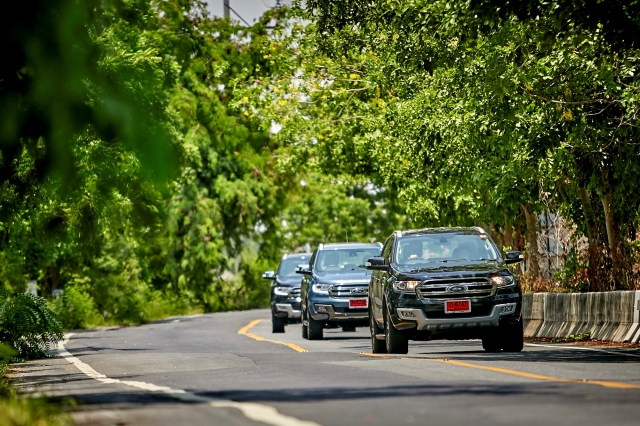
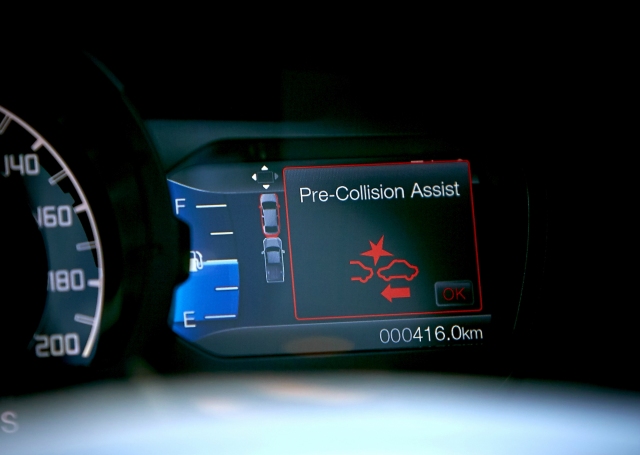
Next is the FORWARD COLLISION WARNING SYSTEM, which operates at speeds of 5 km/h and above. The driver can set the time gap from the vehicle ahead (not a direct distance, as the system calculates the time to reach the vehicle ahead, depending on the speed of the vehicle). If the vehicle approaches the vehicle ahead, initially, the system will alert with a red LED light strip reflecting off the windshield. However, if the vehicle continues to approach within a dangerous range, all warning lights will illuminate, accompanied by another audible warning. Furthermore, if the distance becomes critical, the system will pre-pressurize the brake fluid, allowing the driver to perform emergency braking and avoid a collision in time.
Caution : This system focuses on warning. If the vehicle moves close to the vehicle ahead within a critical distance (as adjusted) and pre-prepares the braking system, it is not a system that brakes automatically until a complete stop (as installed in many car models). Braking remains the driver's responsibility, whether slowing down or coming to a complete stop.
There is also another feature installed in both RANGER and EVEREST: the AUTOMATIC HIGH BEAM SYSTEM. If it's nighttime, the surrounding road is dark, and there are no oncoming vehicles, the system will automatically switch to high beams. If it detects lights from an oncoming vehicle, the system will also automatically turn off the high beams (operates at speeds of 40 km/h and above). However, we did not test this system as the test drive trip was during the daytime.
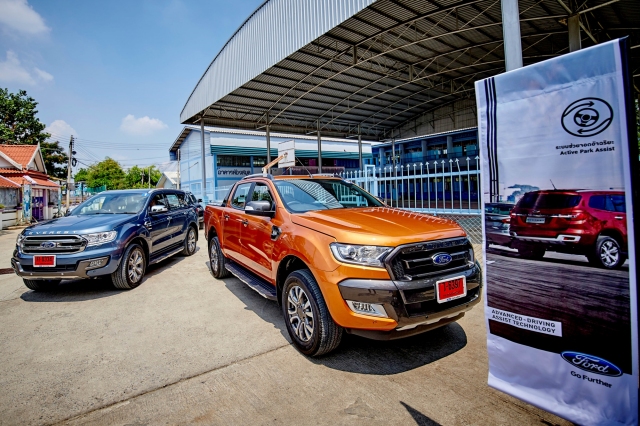
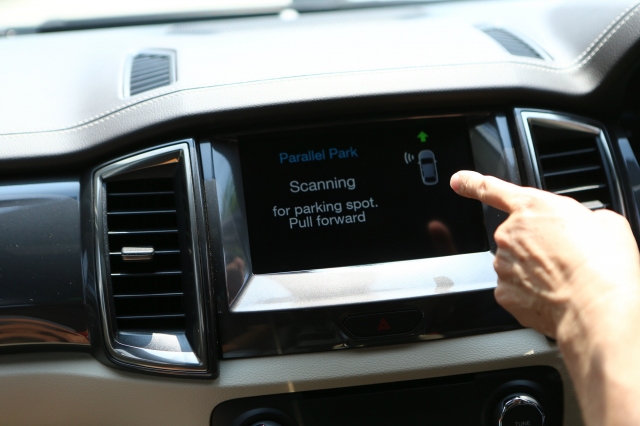
There are two more operating systems, but these are only installed in the top-of-the-line FORD EVEREST SUV. These are the ACTIVE PARK ASSIST for parallel parking. The system uses sensors around the vehicle to measure the parking space. The driver must activate this system first and drive slowly in a straight line alongside the parking space. If the system detects sufficient space (defined as more than 20% of the car's length), it will display a notification on the digital screen. The driver then stops the car, shifts into reverse (R), and controls the brake force to slowly reverse into the parking spot. The steering is entirely handled by the parking assist system. Once reversed adequately, shift into drive (D) according to the system's recommendations, and the car will parallel park perfectly in the appropriate position.
Caution : When parking in reverse with the aforementioned system, low speed should be used. If the speed exceeds the limit, the system will allow the driver to steer manually. Additionally, the steering wheel, when turned by the parking assist system, will rotate quite quickly, so hands should not obstruct the inside of the steering wheel. And while searching for a parking space, one should drive slowly.
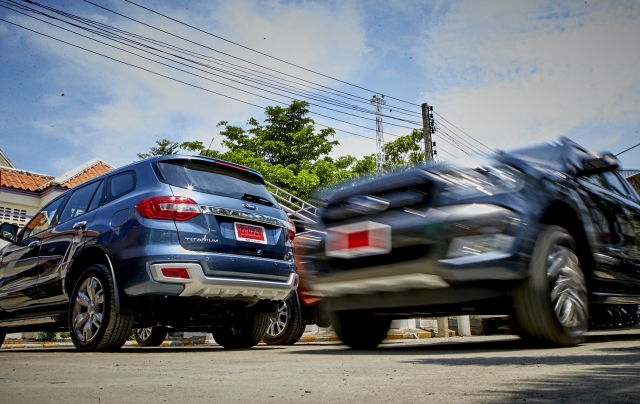
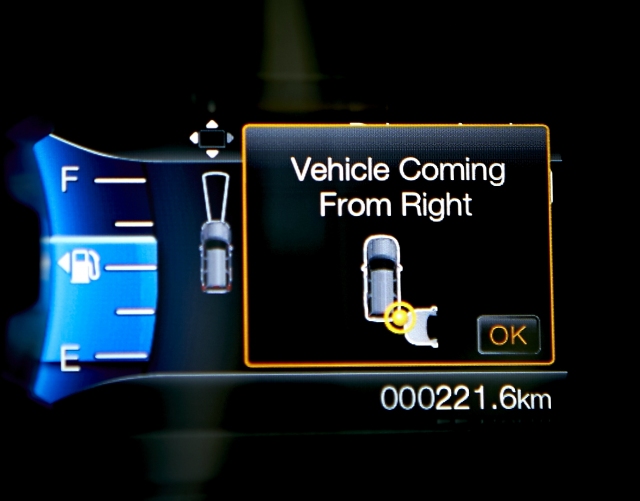
Finally, there is the CROSS TRAFFIC ALERT system, which detects vehicles approaching from the rear left/right when backing out of a parking space. Due to being a large SUV, backing out of a parking space creates significant blind spots. By the time the driver can see, the vehicle has often moved almost entirely out. This system provides an early warning if a vehicle is approaching (detects vehicles approaching at speeds not exceeding 60 km/h).
Caution : This system is designed for backing out in parking areas, where other vehicles typically do not travel at very high speeds. If it's a main road where vehicles are passing behind at high speeds, the system may not detect them in time, requiring caution. Additionally, if there are obstructions to the detection system's signals (e.g., diagonal parking), the system will warn that its detection is obstructed, and the driver must exercise good caution.
After test driving and using all the aforementioned systems, it must be acknowledged that FORD is truly advanced with various technologies, which help increase driving safety and convenience. For the RANGER pickup truck or the large SUV like the EVEREST, even though many features are only available in the top models, they are considered worthwhile for passenger safety.
P.S. For those who still have concerns about the quality of service centers, FORD has not been complacent, always aware of these issues, and continuously improving after-sales service. :)


Follow Motor Expo Club Network